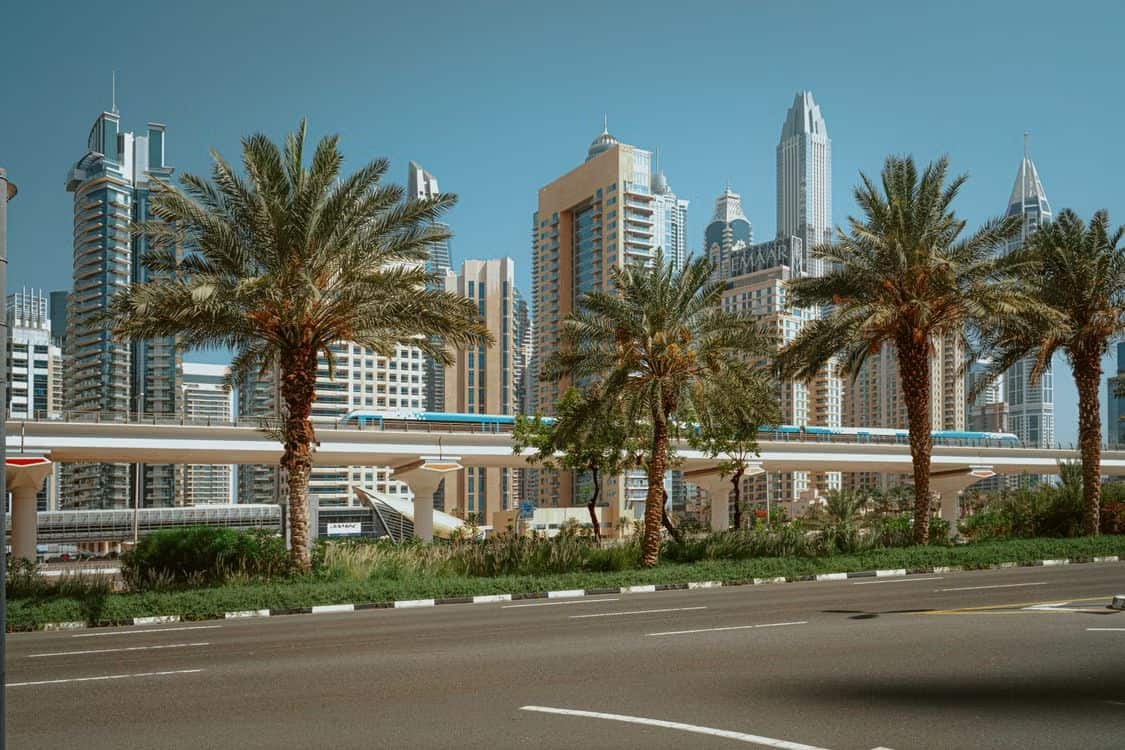

Dubai stands out as one of the world’s most dynamic and tax-efficient hubs for international property investors and second-home buyers. As the market enters a mature, sustainable growth phase, it continues to pull in global wealth by offering high returns, lifestyle perks, and structural advantages that few western capitals can match.
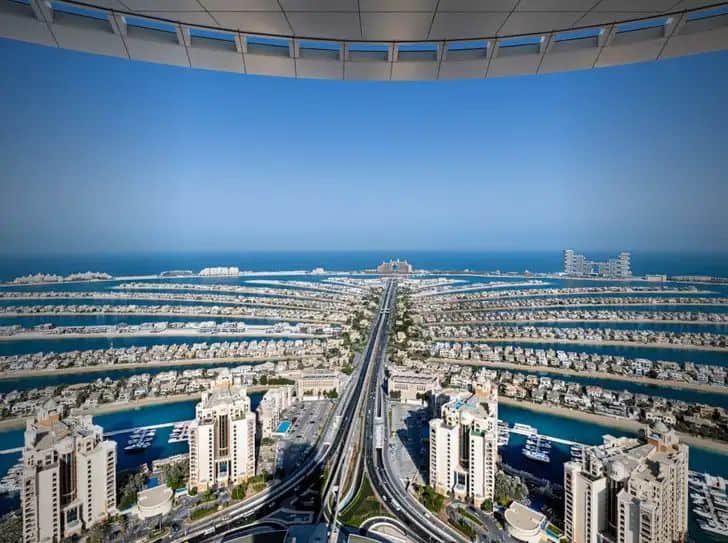
The Financial Case: Why Capital Flows to Dubai
For most international buyers, the decision to purchase property here comes down to four major financial drivers:
- Tax Exemptions: Dubai does not impose annual property taxes, capital gains tax, or personal income tax on rental earnings. You keep 100% of what your property makes.
- High Rental Yields: Gross rental yields average 5% to 9%, which significantly outperforms major cities like London, New York, or Paris. Smaller apartments typically bring in the highest cash-flow ratios.
- Pegged Currency: The UAE Dirham (AED) is historically tied directly to the US Dollar (USD). This shields your asset value from the currency fluctuations common in other emerging markets.
- 100% Foreign Ownership: Since 2002, international buyers have held full freehold ownership rights, meaning you can own, lease, or pass down both the property and the land indefinitely without a local sponsor.
Selecting the Right Neighborhood
Your neighborhood should mirror your ultimate financial or personal goal. The market caters to different strategies:
| Strategy | Top Neighborhoods | What You Buy It For |
|---|---|---|
| Luxury & Lifestyle | Palm Jumeirah, Downtown Dubai | Prime waterfront views, high capital appreciation, prestige. |
| High Rental Yields | Jumeirah Village Circle (JVC), Business Bay | Lower entry prices per square foot, excellent rent-to-price ratios. |
| Short-Stay Holiday Lets | Dubai Marina, JBR, Palm Jumeirah | High seasonal tourist traffic, though with slightly higher property management costs. |
| Long-Term Growth Plays | Dubai South, Creek Harbour | Great upside potential driven by major local projects like the Al Maktoum Airport Expansion. |
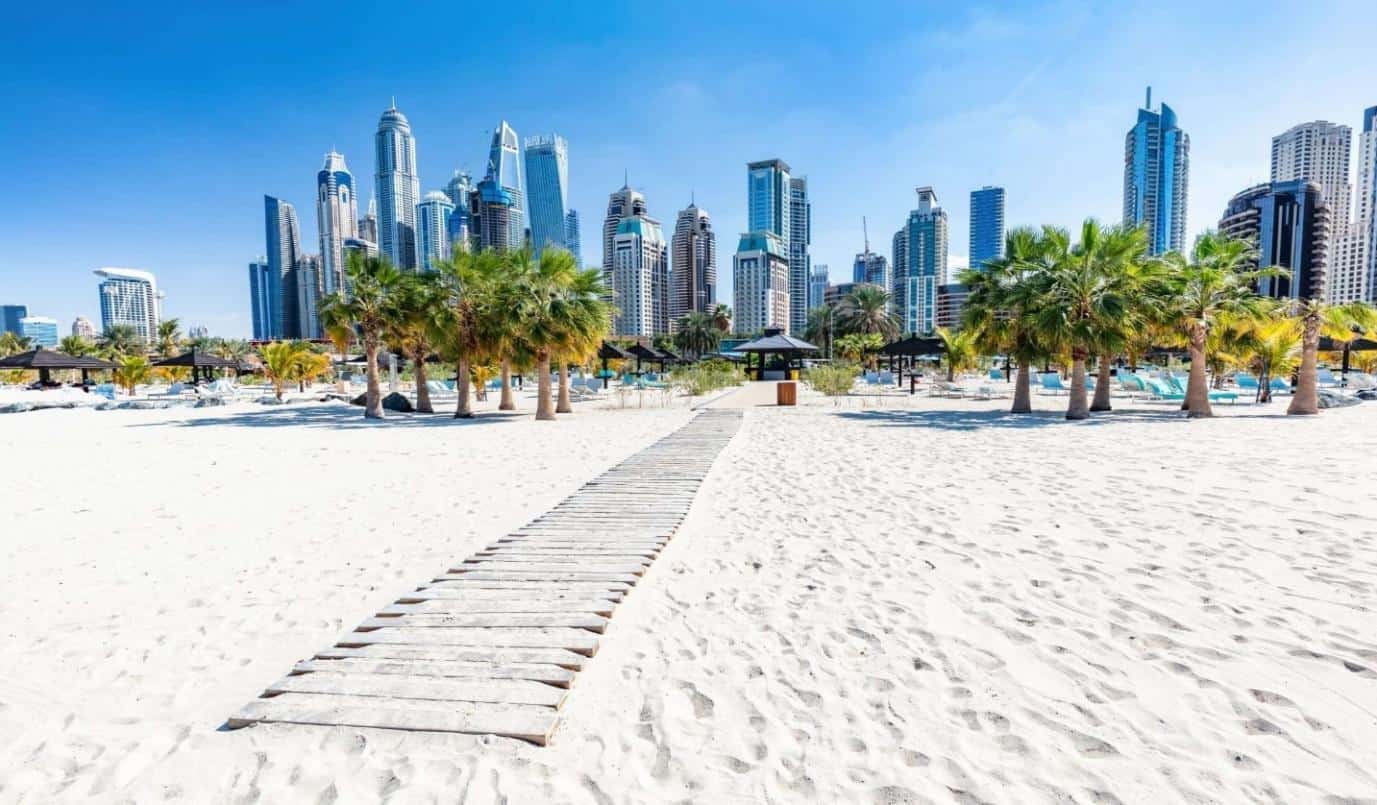
Major Areas with Active New Construction
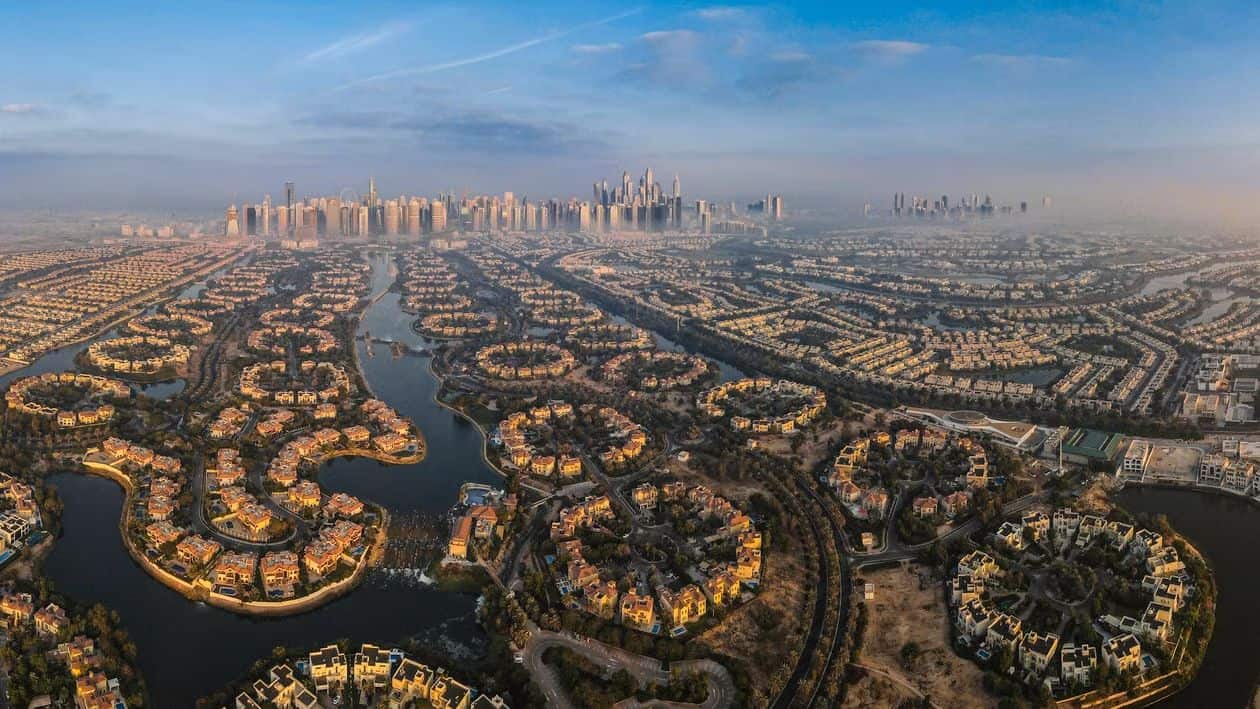
Several major areas in Dubai are currently experiencing a massive boom in new property developments. The city is expanding rapidly, with construction focused on master-planned communities, luxury waterfronts, and strategic expansion zones.
- Dubai South: One of the most significant development zones, highly driven by the expansion of the Al Maktoum International Airport and the legacy of Expo City. It features massive new residential communities, villas, and infrastructure projects.
- Jumeirah Village Circle (JVC): Continues to be a hotspot for mid-rise apartment buildings and townhouses, making it one of the most active areas for construction handovers and new project launches.
- Dubai Creek Harbour: A flagship waterfront mega-development by Emaar. New luxury residential towers, retail districts, and promenade walkways are actively rising along the banks of the creek.
- Dubai Islands (formerly Deira Islands): This massive island project is undergoing intense development, focusing on new luxury beachfront resorts, hotels, and upscale residential communities.
- Palm Jebel Ali: Nakheel’s revived mega-island project has seen a massive surge in development activity, with a strong focus on ultra-luxury villas and premium coastal infrastructure.
- Business Bay: While already established, it continues to add high-end, branded luxury residential skyscrapers (such as partnerships with major automotive and fashion brands) along the Dubai Water Canal.
- Arjan and Dubai Land Residence Complex (DLRC): These areas along Sheikh Mohammed Bin Zayed Road are rapidly filling up with modern, affordable-to-mid-range apartment buildings targeting young professionals and families.
- Uptown Dubai (JLT): The area surrounding Jumeirah Lakes Towers is expanding with massive new commercial and branded residential skyscrapers under the Uptown master plan.
Golden Visas and Legal Clearances
Real estate is a direct path to securing UAE residency.
- The Golden Visa: Investing a minimum of AED 2 million (approximately $544,000 USD) qualifies you for the 10-year Golden Visa. This grants a renewable residency card for yourself, your spouse, children, and parents, with zero requirement to maintain a minimum local stay.
- Standard Residency Visa: Lower thresholds also offer benefits. Properties valued above AED 750,000 (~$204,000 USD) typically allow you to apply for a 2-year residency visa.
- Buying Remotely: Buyers can comfortably complete purchases from abroad via authorized platforms, using video verification at the Dubai Land Department (DLD) trustee office.
Strong Tourism Creates Excellent Rental Demand & Higher Yields
Strong tourism creates excellent rental demand in Dubai because millions of international visitors and business travellers require flexible, short-to-medium-term housing, which directly fuels the city’s real estate market. Several interconnected factors explain why:
1. The Surge in Short-Term Holiday Homes
Instead of traditional hotels, a growing number of tourists prefer staying in apartments or villas for extra space, privacy, and kitchen facilities.
- Higher Yields: Property owners can lease their apartments as registered holiday homes on platforms like Airbnb, often generating 20% to 40% higher returns than traditional one-year leases.
- Peak Season Premiums: During Dubai’s peak tourism months (October to April), nightly rates spike dramatically, maximizing landlord revenues.
2. A Constant Inflow of Corporate and Event Tourists
Dubai is a global hub for massive exhibitions, trade shows, and conferences (like COP, Gulfood, and Gitex) hosted at the Dubai World Trade Centre and Expo City.
- Business Travel: Corporate travellers often stay for weeks or months at a time.
- Strategic Locations: This creates intense rental demand in business-centric areas like Business Bay, Downtown Dubai, and DIFC.
3. Expansion of “Bleisure” and Digital Nomads
The lines between tourism and residency have blurred. Dubai’s remote work visas and flexible entry permits allow digital nomads and freelancers to live in the city while working for companies abroad.
- Extended Stays: These visitors do not want to commit to traditional one-year rental contracts, driving massive demand for fully furnished, monthly-serviced apartments.
4. Seamless Infrastructure and Lifestyle Appeal
Dubai is consistently ranked among the safest and most entertaining cities in the world. Mega-attractions, luxury shopping, and beaches attract repeat visitors who eventually stay longer.
- Turnkey Living: Because the city is built to cater to tourists, developers build residences with hotel-like amenities (infinity pools, gyms, concierge services). This makes renting an apartment highly attractive compared to a standard hotel room.
5. High Occupancy in Tourist Hotspots
The concentration of tourists in specific coastal and central zones ensures that landlords in these areas experience very low vacancy rates. Prime tourist neighborhoods like Dubai Marina, Downtown Dubai, Jumeirah Beach Residence (JBR), and Palm Jumeirah experience year-round rental pressure, keeping rental prices and landlord yields exceptionally high.
Are you analyzing this rental demand for a potential property investment, or are you looking to understand the return on investment (ROI) percentages for short-term vs. long-term rentals in Dubai?
Healthcare in Dubai
Healthcare in Dubai is of excellent quality, modern, and highly accessible, rivaling top Western healthcare systems. It is regulated tightly by the Dubai Health Authority (DHA) to ensure strict standards of care.
1. Public vs. Private Healthcare
- Private Healthcare: This is the most common route for expatriates. Dubai has an extensive network of state-of-the-art private hospitals and clinics. The facilities resemble luxury hotels, waiting times are short, and the vast majority of medical staff are internationally trained and speak English fluently.
- Public Healthcare: Public hospitals (such as Rashid Hospital or Latifa Hospital) are excellent and highly advanced. However, they primarily cater to UAE nationals. Expats can use them, but they must pay out of pocket or hold a government-issued health card, so most expats stick to private care.
2. Mandatory Health Insurance
Healthcare is not free for expatriates, but having health insurance is strictly mandatory by law.
- Employer Responsibility: If you are employed in Dubai, your company is legally required to provide you with health insurance.
- Dependents: If you bring your family or hire domestic staff (like a nanny or driver), you are legally responsible for purchasing their insurance plans.
- Coverage Levels: Plans range from the Essential Benefits Plan (EBP), which covers basic medical needs for lower-income brackets, to premium international plans that include global coverage, private rooms, and dental/optical care.
3. Medical Tourism Hub
Dubai has established itself as a regional and global hub for medical tourism. Complexes like Dubai Healthcare City (DHCC) are dedicated free zones packed with hundreds of specialized clinics, diagnostic centers, and hospitals, attracting patients from all over the world for elective surgeries, cosmetic procedures, and specialized treatments.
4. Pharmacy and Prescriptions
Pharmacies are located on almost every street corner and inside shopping malls, with many open 24/7. However, the UAE has very strict laws regarding controlled medications. Many medicines that are over-the-counter in other countries (like certain painkillers, sedatives, or ADHD medications) require a valid prescription from a UAE-licensed doctor to buy or bring into the country.
Excellent Quality of Life
The lifestyle in Dubai is built around seamless convenience, luxury, and safety.
- Safety and Low Crime: Dubai is consistently ranked as one of the safest cities in the world. Violent crime is virtually non-existent, and petty crime is extremely low, allowing residents to walk safely at any time of day or night.
- Infrastructure and Cleanliness: The city features world-class infrastructure, from the driverless Dubai Metro to pristine, air-conditioned public spaces, manicured beaches, and impeccably maintained roads.
- Convenience Culture: Dubai is a “service-on-demand” economy. Almost everything, from groceries and fuel to car washes and lab tests, can be delivered or done at your doorstep via mobile apps.
- Tax-Free Income: Residents enjoy 0% personal income tax, allowing individuals to retain a much higher percentage of their earnings compared to most Western nations.
- Multicultural Environment: With over 85% of the population being expatriates, the city is a melting pot of cultures, offering highly diverse culinary, artistic, and social experiences.
Let Your International Real Estate Experts Guide You
Investing abroad requires local knowledge, trusted advice, and experienced guidance. Our international real estate team works closely with buyers from around the world to identify the right opportunities in Dubai, tailored to each client’s investment goals and lifestyle aspirations.
From selecting the ideal location to navigating the purchasing process and connecting you with trusted legal, financial, and property management professionals, we are committed to providing a seamless and professional experience.
If you are considering investing in Dubai real estate, we would be delighted to help you discover the opportunities this exceptional region has to offer.
Check all the properties on our website in the section “Dubai”.